
uPVC windows are rapidly gaining popularity in modern residential, hospitality, institutional, and commercial construction due to their superior performance, durability, and long-term stability. Even though the aforementioned statement is true, there are certain myths that have been created, which affect the decision-making process while buying the product. The reason behind this is the outdated perspectives of many individuals.
Modern systems used in uPVC windows India have undergone significant development and advancement,, featuring superior profiles, stronger reinforcements, and improved sealing technology. This has altered the way that uPVC behaves in practical applications, making it much more reliable than is generally assumed. It also matches the needs of contemporary architecture much more closely.
uPVC Windows Do Not Offer Design Variety
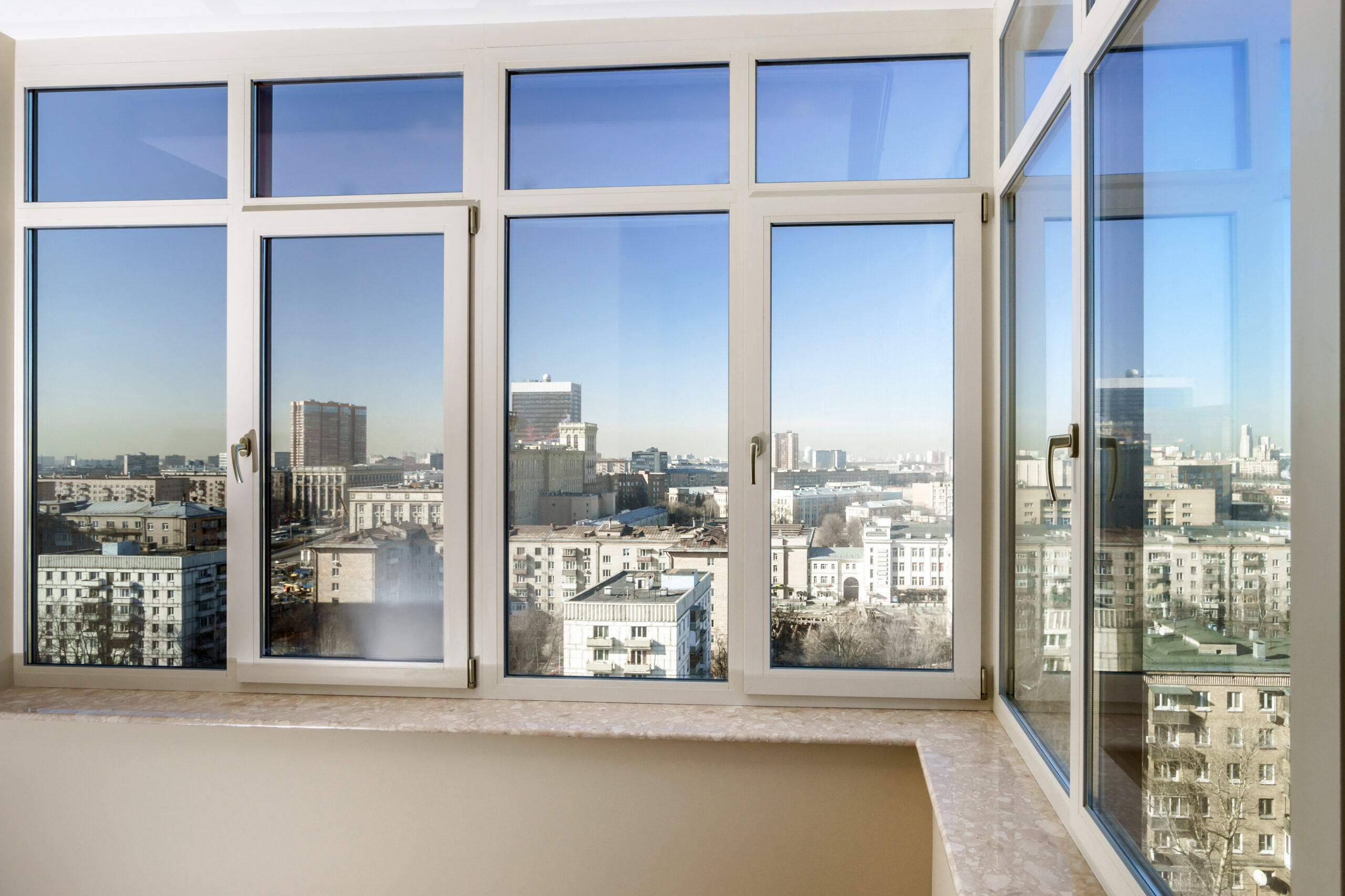
It is widely believed that uPVC windows have no design options at all and always look the same once installed. This is due to the early versions of these windows, which could not vary much in their design. The latest uPVC window systems are designed with multiple functional and visual variations to suit different architectural requirements.
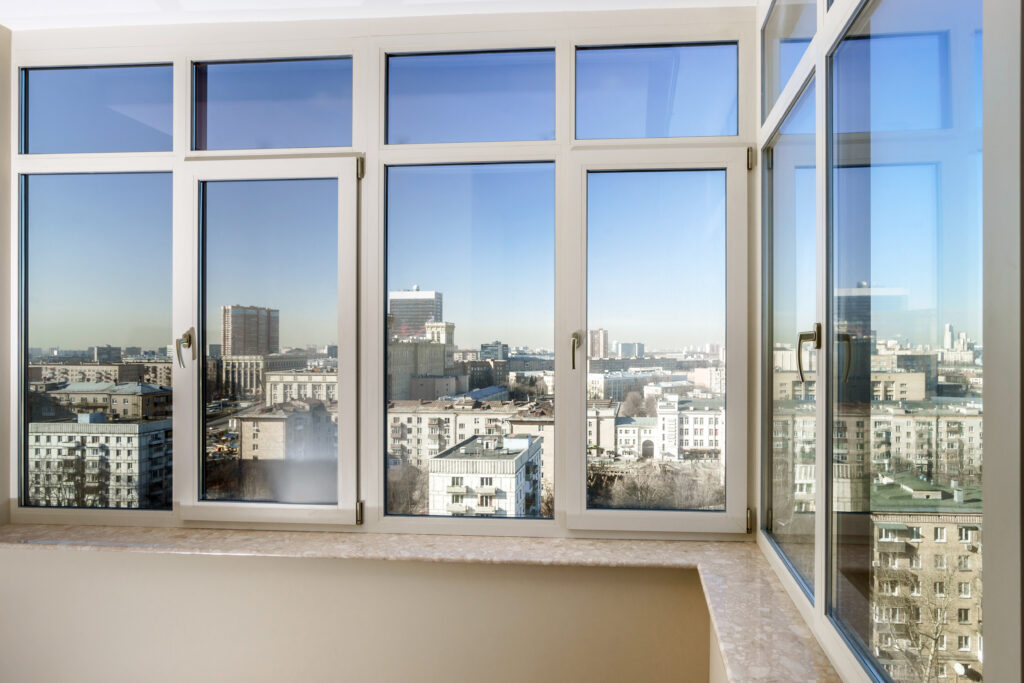
In today’s world, there are several uPVC windows types that serve distinct purposes, such as regulating airflow, optimizing space, and balancing visual appearance. Some examples of windows that exist today are sliding windows, casement windows, tilt and turn windows, and even fixed windows. Each type of window has its own purpose.
Koemmerling ensures this with its precision-made profile systems, which allow for flexibility in design without compromising on structural integrity. This means that it is possible to attain modernistic looks without compromising on functionality.
uPVC Cannot Be Used for Doors and Structural Framing
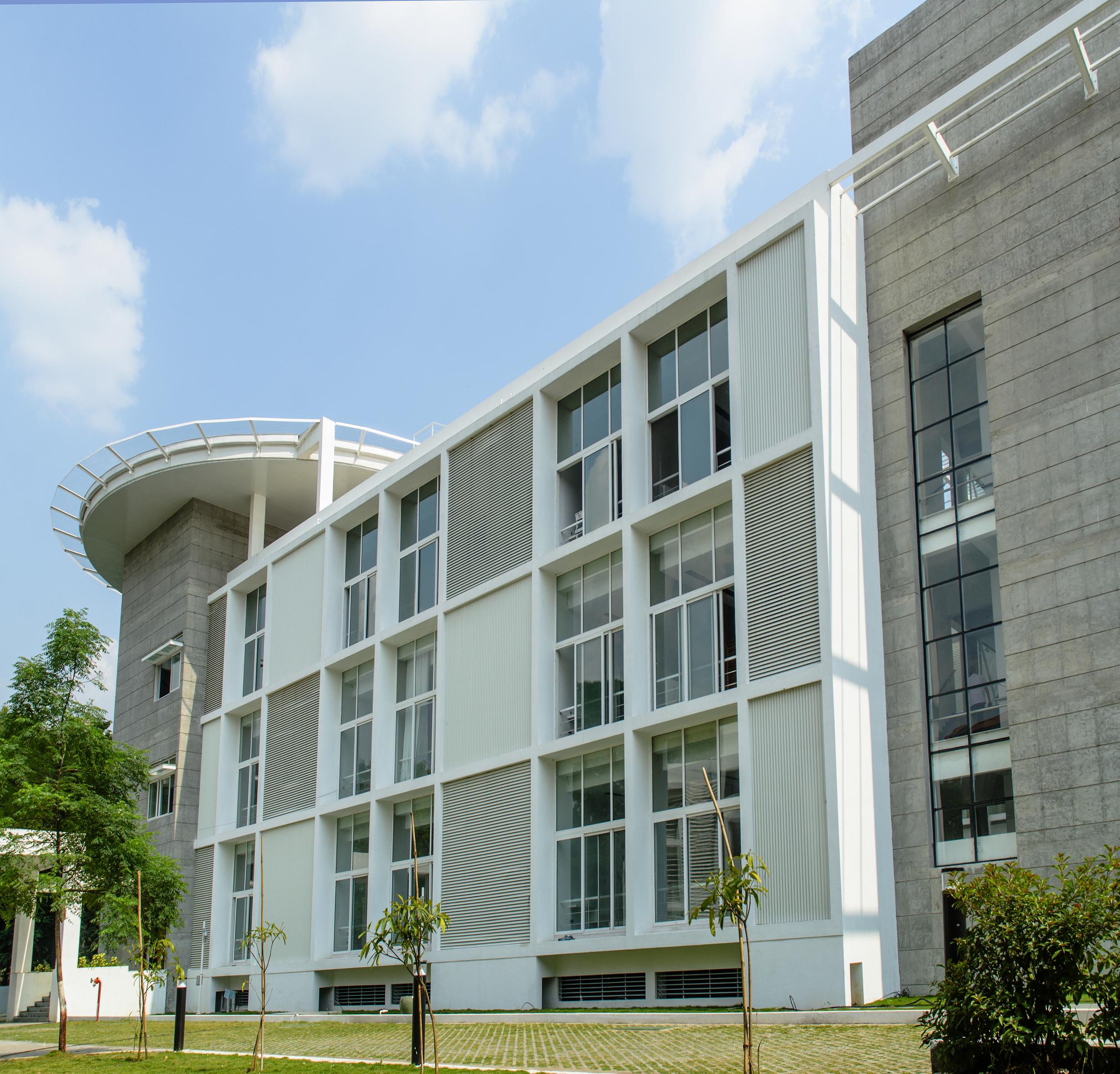
Another common misconception is that uPVC lacks sufficient strength to be used indoors or for structural applications. The truth is, contemporary engineered profiles are purposely designed to withstand loads and high usage over an extended period of time.
High-performance uPVC doors and frames are designed with an internal structure that enhances their rigidity and ensures proper alignment for prolonged periods of use. They are therefore able to function efficiently in residential homes, office buildings, balconies, and other locations where daily movement and repeated operation are common.
In addition, these systems are engineered to ensure continuous operation with minimal maintenance, making them ideal for projects that need both stability and long-term usability.
Read More : 4 Different Types of UPVC Windows and Their Uses
uPVC Windows Cannot Handle Indian Weather Conditions
It is also perceived that uPVC cannot survive India’s climate because of its variable weather, ranging from high temperatures to heavy rainfall, moisture, and frequent changes in the seasons. However, this misconception largely based on the use of inferior-quality materials or outdated window systems that fail to meet modern engineering and performance standards.
Modern uPVC windows India systems have been manufactured with advanced formulations and precision engineering to withstand harsh weather conditions without warping, corroding, swelling, or fading. Modern uPVC profiles offer excellent resistance to moisture, UV radiation, and temperature fluctuations, making them highly suitable for Indian environments.
uPVC systems that Koemmerling designs have characteristics such that they perform efficiently in varied climates. Consequently, they can be used in locations where there is a high rate of humidity, coastal zones, and places that experience drastic climate changes.
uPVC Requires Frequent Maintenance
A misconception is that uPVC needs to undergo the same level of maintenance as wood or metal products do. However, one of the biggest advantages of using uPVC is that it is very low-maintenance.
As opposed to wood, there is no need for any repainting or polishing. As opposed to metals, there is no rusting even when exposed to dampness or pollutants. Thus, there will be no need to repeatedly perform maintenance processes. Consistency in its appearance will also be maintained.
Maintenance advantages include:
- No repainting required
- Simple cleaning process
- Resistance to moisture exposure
- Long-lasting surface consistency
Due to these qualities, uPVC doors and frames have become popular choices in projects that prioritize sustainability and lower maintenance needs.
uPVC Windows Are Not Strong or Secure Enough
Another myth is that uPVC limits the creativity of architects and is only suitable for designing simple windows. However, this is not the case at all since modern systems can easily adapt to any architectural need and layout.
Different uPVC windows types have distinct locking mechanisms according to their usage and operational requirements. Such locking mechanisms not only enhance security but also facilitate proper movement and structural balance while operating the windows.
Security-related features include:
- Reinforced internal profiles
- Multi-point locking systems
- Strong frame stability
- Improved resistance to forced impact
Koemmerling incorporates the concept of precision profile engineering in the uPVC systems, which guarantees an efficient combination of structural integrity and utility within modern-day construction environments.
uPVC Limits Architectural Flexibility
Another misconception is that uPVC restricts architectural creativity and can only be used for basic window designs. This is far from true because contemporary systems can easily accommodate all types of architectural requirements and layouts.
The benefits of large openings, customized dimensions, and clean frames enable greater design flexibility while supporting contemporary visual preferences. Thus, uPVC windows India proves ideal for minimal residential layouts as well as expansive commercial buildings that require a balance of aesthetics and function.
Read More : Weather-Proof Your Home Using uPVC Doors & Windows
Koemmerling: Engineering Advanced uPVC Systems
Koemmerling has over 127 years of legacy and develops uPVC profile systems for windows and doors. Koemmerling emphasizes engineered profiles that ensure accuracy in fabrication and installation, and perform well throughout their entire lifespan. This product is extensively applied by fabricators looking for consistent quality in profiles for different architectural projects.
The systems by Koemmerling are engineered to ensure dimensional stability, smooth operation, and consistency in performance throughout varying window and door applications, even under regular usage conditions in residential and commercial buildings. This engineering-led approach is what defines the Koemmerling advantage in modern uPVC construction.
Conclusion
All the myths about uPVC are due to outdated information rather than the present performance standards. The present-day uPVC windows India provide great durability, flexibility in designs, and good performance across different environments and applications.
Through consistent engineering improvements, uPVC has proved to be reliable enough to meet the present-day building requirements. Koemmerling further ensures reliability through its solutions that address practical challenges and support long-term architectural performance.