
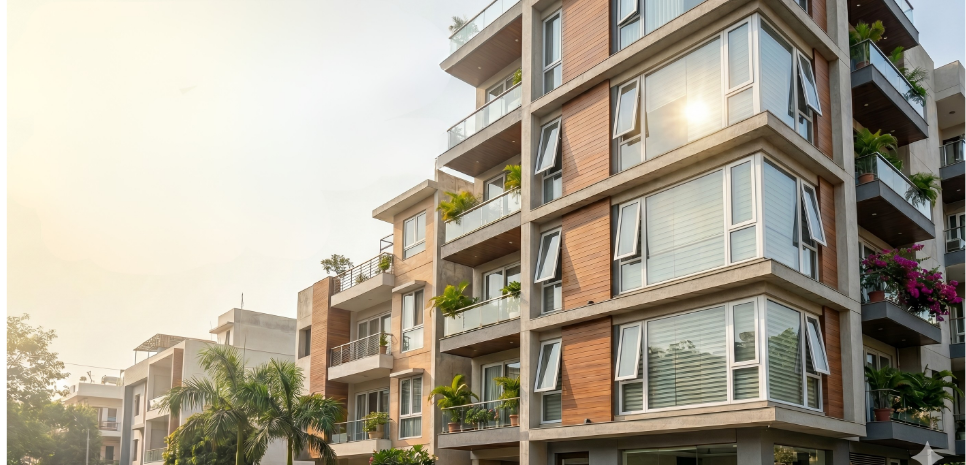
Windows and doors receive direct sunlight for years, particularly on elevations that remain exposed throughout the day. Even though the presence of sunlight enhances lighting in the interior space, UV radiation has the potential to affect materials used near or on the external surface of the structure. Some of the problems which may occur include color changes, fading, warping, cracking, and eventual deterioration of the profile material.
This makes UV resistance an important consideration when choosing uPVC doors and windows. The question is not only about the fact that uPVC may withstand being placed under the sun. It is also about the quality of uPVC material used in profile construction and its surfaces’ ability to deal with the constant impact of UV rays. For homeowners, UV-resistant uPVC windows and doors offer the advantage of maintaining their colour and finish even when exposed to sunlight for long periods, helping the windows continue to look and function well over the years.
What Does UV Resistance Mean for uPVC Windows and Doors?
UV resistance is the capability of a material to withstand exposure to ultraviolet radiation without unacceptable change in appearance or performance. This matters because the exterior surface of the window and door profiles can be exposed to sunlight all year round.
UV resistant windows are constructed to retain their material and surface characteristics despite repeated exposure. This is more than simply being able to withstand a hot environment. High temperatures and UV radiation are separate environmental stresses, but both can happen simultaneously when windows are exposed to intense sunlight.
For uPVC windows and doors, UV resistance can therefore contribute to maintaining:
- Surface appearance and colour consistency
- Material performance during prolonged outdoor exposure
- The overall serviceability of the profile
- The appearance of the building exterior over time
Are uPVC Windows Affected by Prolonged Sunlight?
Prolonged sunlight does not automatically mean that a uPVC profile will deteriorate quickly. The response depends on the formulation of the material, surface technology, exposure conditions and the quality of the profile.
Koemmerling’s uPVC profiles are designed for extensive exposure to sunlight and demanding weather conditions. The material compound is developed to retain its properties under intensive sunlight exposure.
This is particularly relevant for UV resistant windows installed on sun-facing elevations, where the profiles may receive intense and repeated exposure rather than occasional sunlight.
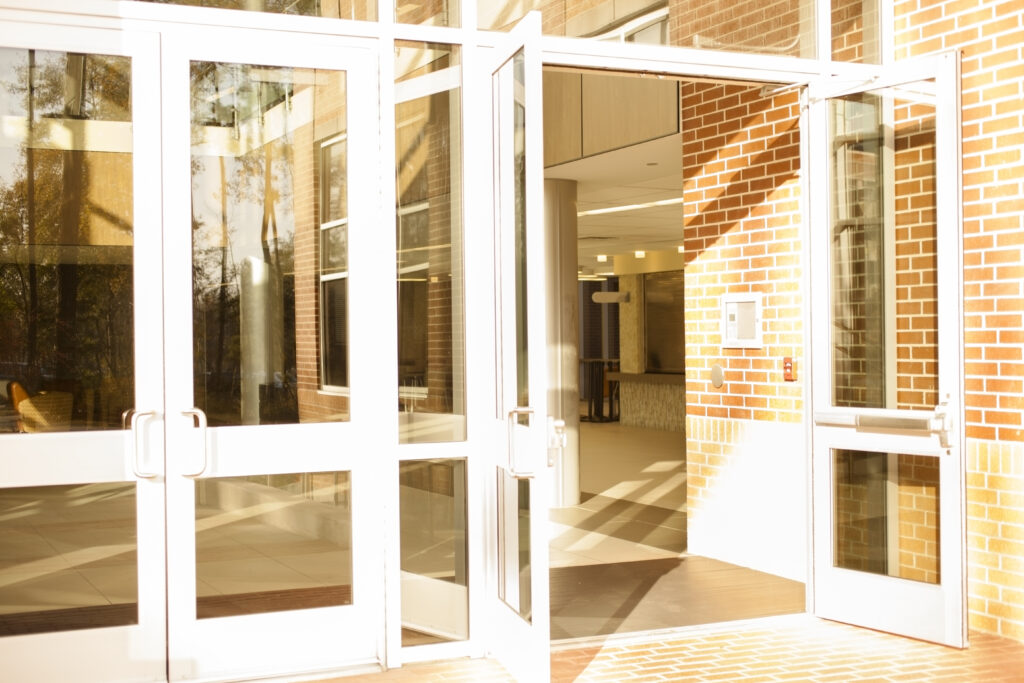
Do UV Rays Cause uPVC Windows to Fade?
Fading of the profile color is perhaps the most noticeable problem caused by constant sun exposure. However, the degree of color change will depend on the profile material and its surface treatment.
It becomes especially important when it comes to coloured or laminated uPVC profiles because the preservation of the intended look is an important part of the product’s long-term performance. Koemmerling offers white, grey, and woodgrain finishes, where the profile systems preserve their surface finish even when exposed to sun and weather changes.
Therefore, when choosing windows resistant to UV damage, homeowners need to take into account not only the color and appearance of the profiles chosen but also how the selected profile is engineered for long-term outdoor exposure.
What Makes uPVC Windows and Doors UV Resistant?
UV resistance is not produced by a single feature. It depends on the formulation and manufacturing of the profile and, where applicable, the technology used for its surface finish.
For a uPVC profile, relevant factors include:
- Material formulation: The composition of the profile influences how it responds to prolonged UV exposure.
- Weathering performance: Profiles intended for exterior applications need to withstand repeated environmental exposure.
- Surface technology: Coloured and laminated profiles require suitable surface technologies to help maintain their appearance.
- Testing: Weathering and UV-resistance tests provide a way to evaluate profile performance under defined conditions.
These factors determine how well a uPVC profile can withstand prolonged UV exposure while retaining its appearance and functional properties over time.
How Does UV Resistance Affect the Long-Term Performance of uPVC?
UV resistance is closely connected with the ability of a window or door profile to remain suitable for long-term exterior use. Continuous sunlight exposure can place repeated stress on surfaces, making resistance to weathering important alongside the profile’s other performance characteristics.
For uPVC doors and windows, this means UV resistance should be considered as part of the broader weather performance of the system rather than as an isolated feature. This is particularly useful in homes where windows and doors remain exposed to strong sunlight throughout much of the year.
Also Read: Types of uPVC Doors and Windows and Their Applications in a Home
Koemmerling’s uPVC Windows and Doors for Long-Term UV Exposure
Koemmerling’s uPVC window and door systems have been manufactured with the external environment in mind and thus have the capacity to withstand sun exposure and fluctuating weather conditions on a daily basis. Profile systems are available in white, grey and woodgrain colors to give customers an option for different architectural styles while maintaining the performance requirements of an exterior profile.
Koemmerling’s range also includes casement windows and doors, sliding windows and doors, tilt and turn windows, top hung windows and other configurations, enabling the selection of a profile system depending on the needs of a particular residential area. Koemmerling’s separate weathering and UV resistance testing also reinforces the idea of considering long-term effects while choosing UV resistant windows.
Conclusion
The effects of UV rays are a long-term factor to be taken into account when installing a window or door on an exterior facade. Sunlight alone does not affect uPVC, but the durability of the profile against repeated exposure to UV rays may play a role in preserving its aesthetics and other material characteristics.
When assessing the use of uPVC doors and windows, UV resistance should therefore be evaluated together with the performance of the profile in terms of weathering, finishing and intended application. The uPVC window and door systems from Koemmerling have been specifically designed to withstand UV radiation and have undergone testing for this purpose, making UV performance a significant aspect in their exterior use.
Frequently Asked Questions (FAQs)
1. Are laminated uPVC windows resistant to fading from sunlight?
Laminated profiles from Koemmerling are designed to withstand prolonged exposure to sunlight without losing their finish. Performance depends on the profile itself and the lamination technology used.
2. Does prolonged sunlight reduce the lifespan of uPVC windows?
UV rays can have an effect on materials which have not been specifically made for prolonged exposure to the sun. UV-resistant uPVC profiles from Koemmerling are built in such a way that they can endure long-term exposure to the sun’s rays.
3. What makes Koemmerling uPVC windows UV resistant?
Material formulation, surface technology and weathering performance all contribute to UV resistance of Koemmerling uPVC windows. Testing can verify performance under defined exposure conditions.
4. How do I know if my windows have UV protection?
Check the manufacturer’s technical documentation for information on weathering and UV resistance or relevant test reports.
5. How is UV resistance tested in uPVC window profiles?
UV resistance is determined by conducting a weathering test where profiles are subjected to specific weather conditions and then assessed based on changes in their appearance and performance.