
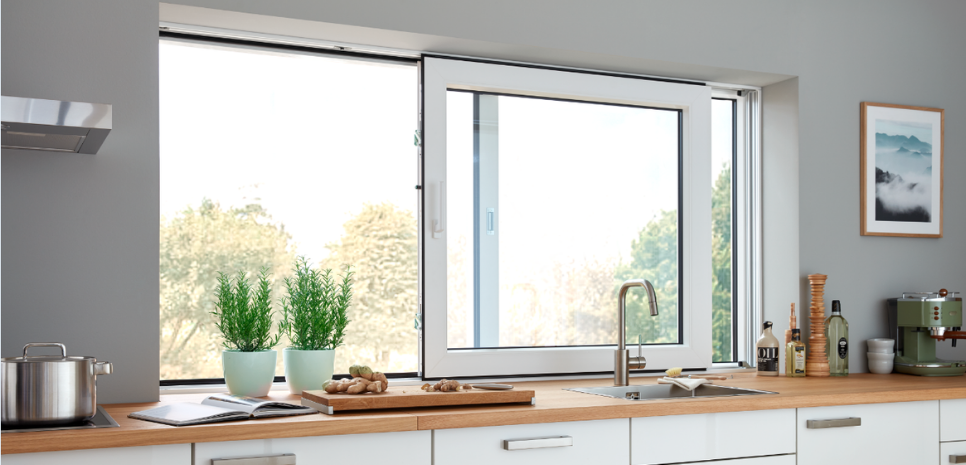
Koemmerling’s uPVC windows can help homeowners address everyday challenges related to ventilation, space and the way individual rooms are used. A window’s opening style can determine how much clearance it needs, how air enters a room and whether the area around it remains practical for furniture and movement.
Choosing uPVC windows is therefore not simply a matter of selecting a window that fits an opening. Homeowners also need to consider the layout of each room and how the window will be used. Koemmerling’s window designs offer different configurations that can be matched to these everyday requirements.
Everyday Ventilation and Space Challenges in Modern Homes
Space efficiency is a major requirement in modern houses. Furniture can be arranged close to windows, walkways could be made beside the openings, and small bedrooms or study rooms may lack sufficient space for an opening sash to move. The window which would function properly in a spacious living room may not necessarily function properly in a smaller space.
Ventilation is also something else that needs to be considered. A room will need fresh air, but this might not necessarily mean having an opening that will require substantial clearance or interfere with how the room is being used. This is where the position, operation, and configuration of the window play an important role.
Koemmerling uPVC Window Designs for Different Residential Problems
Koemmerling’s uPVC window designs can be considered according to the particular challenge a room presents. Rather than selecting the same configuration for every space, homeowners can look at what each opening style is intended to achieve.
- Casement windows: This solution is a viable choice for areas where the larger opening is required for ventilation purposes. It is effective in areas where there is enough clearance for the window to either swing outwards or inwards.
- Sliding uPVC windows: Ideal in instances when there is a need to conserve the area near the window. The sliding movement ensures that the need for clearance in front of the window is minimized hence making it ideal for small spaces where there are pieces of furniture near the window.
- Tilt and turn windows: Useful when homeowners want flexibility in how a room is ventilated. Tilting can provide ventilation while turning allows a wider opening when required.
- Top-hung windows: A suitable consideration where ventilation is required while the opening needs to work with the particular orientation and layout of the room.
- Grill and mesh configurations: Useful where homeowners want to keep rooms ventilated while also addressing the practical need for protection from insects and other external elements.
This makes the choice more specific to the room. A compact space may benefit from a sliding configuration, while a room where ventilation is the primary concern may be better suited to a wider-opening design.
How Window Operation Affects Ventilation and Usable Space
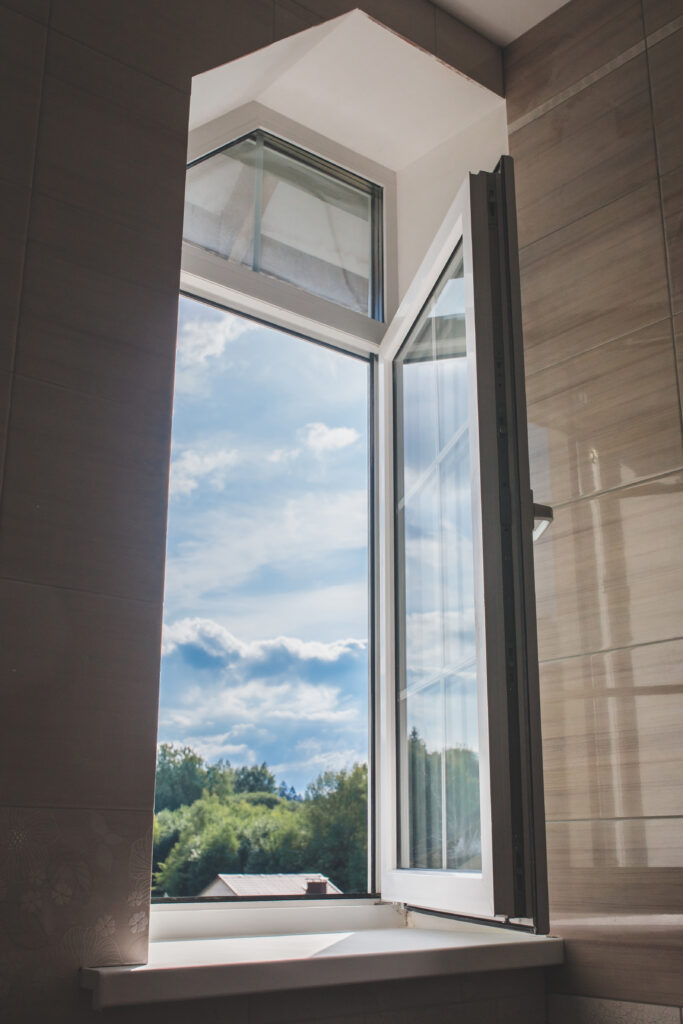
The manner in which a window opens affects what happens around it. An inward-opening sash needs indoor clearance, which may dictate the positioning of things such as a bed, sofa, desk, and other furniture. In a smaller room, reducing this interference by installing outward-opening casement windows or sliding windows can make the available area easier to use, as casement windows operate outside the room, while sliding windows move horizontally along the frame without requiring additional inward clearance.
Window operation also affects how ventilation is managed. Tilt and turn configurations can provide controlled ventilation as well as a wider opening, while casement and top-hung designs offer different approaches to bringing air into a room. The objective is to select an operation that supports the required airflow without creating unnecessary limitations within the space.
Why Window Solutions Should Match the Layout and Everyday Requirements of Each Room
The right window should work well with the room it is installed in. A bedroom, kitchen, study and living room can have completely different layouts and patterns of use. Furniture, circulation space and the need for ventilation can all influence which configuration makes the most sense.
When selecting uPVC windows for home, homeowners should consider:
- The dimensions and layout of the room
- The position of furniture and other fixtures
- How frequently the room needs ventilation
- The clearance available for window operation
Matching the solution to these factors can prevent the window from becoming an obstruction and help ensure that its operation remains convenient in everyday use.
Also Read: 5 Benefits of Installing uPVC Sliding Doors and Windows
How Koemmerling’s uPVC Windows Make Homes More Functional Without Compromising Design
Practical functionality does not have to come at the expense of a home’s overall design. Window configurations can be selected according to ventilation and space requirements while also being integrated into the visual character of the room. This allows practical decisions about opening styles to become part of the wider design rather than an afterthought.
Koemmerling’s range gives homeowners different configurations to consider for different residential requirements. The range of laminates includes White, Woodgrain finishes such as Golden Oak, Walnut, Mahogany and Dark Oak, as well as Grey and Black options such as Anthracite Grey and Black Smooth, giving homeowners greater flexibility to complement their interior design. uPVC windows can therefore be selected with both function and appearance in mind, helping rooms remain easier to ventilate and use while maintaining a coordinated look throughout the home.
Conclusion
The right window configuration can make everyday spaces easier to ventilate and use. Factors such as opening movement, available clearance, furniture placement and the ventilation needs of each room all matter when deciding which solution is appropriate.
Koemmerling’s uPVC windows offer different configurations that can be matched to these practical requirements. By considering the specific needs of each room, homeowners can select uPVC windows for home that support functionality while fitting naturally into the overall design.
Frequently Asked Questions (FAQs)
1. What are the advantages of uPVC windows?
The advantages of uPVC windows include the availability of different opening styles and configurations for varying residential requirements. Homeowners can select a solution based on factors such as ventilation, available space, furniture placement and the room layout.
2. How can I improve ventilation without opening large windows?
A configuration that allows controlled ventilation can help improve airflow without requiring a large opening. Tilt operation, for example, can allow ventilation while limiting the clearance needed around the window. Another great option for this requirement is top hung windows.
3. What type of uPVC window should I choose for my home?
Consider the room’s layout, ventilation requirements, furniture placement and available clearance. Casement, sliding, tilt and turn, top-hung, and grill or mesh configurations can address different practical requirements.
Not sure which configuration suits your space? Connect with our team and find the right uPVC window for your home.
4. Which uPVC window openings provide better cross ventilation?
Casement windows can support strong cross ventilation because their sashes open wide, allowing more air to enter and move through the room. Tilt & turn windows can also support ventilation by tilting inward from the top for controlled airflow or opening fully inward when greater air movement is needed. Effectiveness still depends on the placement and size of openings in the room.
5. Can window placement affect how easily a room can be ventilated?
Yes. The position of a window can influence how air moves through a room. Its relationship with other openings, the room’s layout and nearby furniture should therefore be considered when planning ventilation.
6. Can changing the window opening style free up space in a room?
Yes. Opening styles that require less clearance can make the surrounding area easier to use. uPVC windows with sliding operation, for example, can help reduce the space needed for an inward swing.