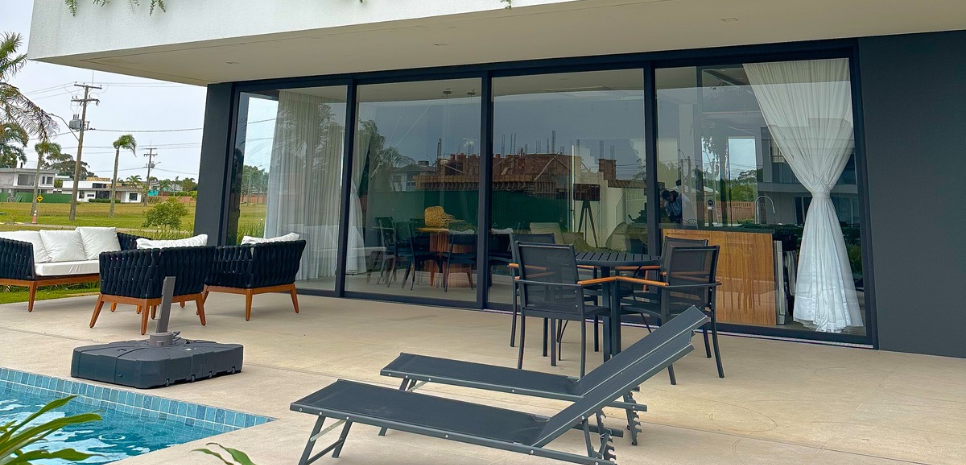
For an architect, selecting windows and doors is part of designing the building itself. It plays a role in shaping how the façade looks, the lighting and ventilation of the rooms, the interior’s response to weather and sound, as well as how occupants interact with balconies, terraces, gardens, or other external spaces. On the other hand, the system must be designed to work within structural openings, space limitations, weather conditions, and the visual language of the project.
This makes the fenestration specification a balance between design intent and technical requirements. Architects need systems that offer adequate flexibility in terms of configuration and finish so that different parts of a building can be catered to without compromising on performance efficiency. For projects evaluating a uPVC window manufacturer, the ability to select different configurations within a consistent system family becomes particularly valuable.
Koemmerling’s German Engineering and Proven uPVC Window and Door Quality
Engineering expertise of Germany is evident from the emphasis laid by Koemmerling on precision, material properties, and system design. High-performance uPVC compounds are utilized for rigorous residential and commercial purposes. Emphasis is not only on material quality but on profile, sealing, functionality, and security too.
For designs where interiors blend with exteriors, a modern uPVC door requires not only ease of function but also durability and weather resistance. Koemmerling provides door configurations according to opening requirements.
- Weather performance: Systems are designed to manage exposure to rain, wind, and changing climatic conditions.
- Thermal performance: Profile and sealing systems help reduce unwanted heat transfer through the building envelope.
- Sound insulation: Suitable configurations help limit the intrusion of external noise into occupied spaces.
- Security: Profile construction and compatible locking solutions contribute to secure installations.
Together, these attributes enable architects to tailor the window and door performance according to the exact demands of the project.
Design Flexibility Across Koemmerling’s Modern Window and Door Systems
A contemporary project rarely needs one opening configuration throughout. Depending on the requirements of the room, different types of ventilation, opening sizes, and access from outside might be needed. Koemmerling’s range of windows includes casement, sliding, tilt & turn, top hung, lift & slide, and sliding folding options to cater for all those needs.
Modern uPVC windows can be chosen based on space, ventilation needs, access, and the appearance of the particular elevation. The sliding systems allow the sashes to operate within the opening, whereas the tilt & turn windows have the added benefit of a tilt function for ventilation purposes and a full inward opening. Casement systems provide another hinged option, while larger opening requirements can be addressed through lift & slide configurations.
Koemmerling also provides solid color and woodgrain lamination finishes to coordinate with different architectural palettes. This allows functional variation while maintaining design consistency.
Koemmerling’s Thermal, Weather and Sound Insulation for Modern Architecture
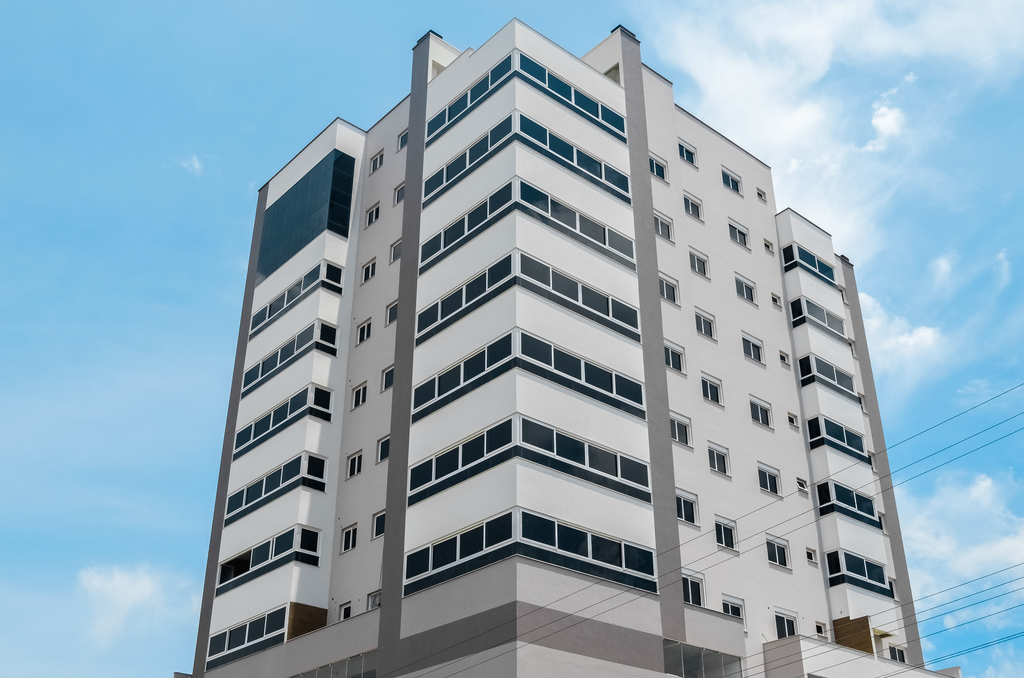
Windows and doors are an important part of the building envelope, directly influencing how effectively an interior is protected from external temperature changes and noise. Large glazed openings can make thermal comfort and sound insulation more important during specification. Koemmerling’s systems are designed to provide thermal insulation and help reduce unwanted heat transfer through the window and door assembly.
Weather performance is just as important. Koemmerling uses sealing and drainage considerations to enable rain and wind resistance. This property becomes very important for exposed facades as well as buildings in challenging climates. For a uPVC window manufacturer, these performance characteristics need to work alongside the opening mechanism and overall system design. Architects can therefore consider insulation, weather resistance, and sound control as connected parts of the fenestration specification.
Customisable Koemmerling uPVC Solutions for Different Architectural Requirements
The range of Koemmerling ensures that architects can choose from different configurations according to the required movement, available space, and building usage. Different systems will handle different types of relationships between rooms and the outdoors without needing a specific opening style in the whole building.
A modern uPVC door can be specified where a project needs access to a balcony, terrace, garden, or other outdoor area. Lift & slide is suitable for larger openings, whereas the sliding-folding system enables panels to slide open and form a large link between the inside and outside spaces. The casement, sliding, and tilt & turn windows are also useful for day-to-day opening and access.
- For compact areas: Sliding systems reduce the clearance needed for opening movement.
- For controlled ventilation: Tilt & turn systems allow the sash to tilt inward before being opened fully.
- For larger connections: Lift & slide systems provide wide openings without a conventional swinging door arc.
- For flexible layouts: Sliding-folding systems allow multiple panels to move aside when a broader opening is required.
These features assist in matching the opening method with the circulation, ventilation, and connection between indoors and outdoors.
Also Read: From Ventilation to Saving Space: How Koemmerling uPVC windows solve everyday problems
Koemmerling’s Focus on Sustainability and Long-Term Performance
Sustainability in window and door specification also involves service life and maintenance. Koemmerling uses recyclable uPVC and systems are designed to resist rotting, warping, corrosion, and termite damage. This material performance is relevant where fenestration needs to retain its appearance and function over extended use.
The uPVC systems from Koemmerling do not need frequent repainting because their surfaces are specially made for resisting the effects of weather and UV rays. Regular cleaning is essential to ensure that the product stays good-looking and functions well for years ahead.
Conclusion
Architects consider windows and doors part of a building’s overall performance rather than simply architectural finishes. The opening type, insulation properties, ability to withstand weather conditions, sound control, maintenance needs, and aesthetics influence how well a window or door meets the requirements of a project.
Koemmerling brings German technology with diversified opening mechanisms, finishes, and performance-oriented uPVC products. Their line of modern uPVC windows and doors allows architects the freedom to address various plans, climatic conditions, facades, and the connection between indoors and outdoors.
Frequently Asked Questions (FAQs)
1. What is the lifespan of uPVC windows?
Well-constructed uPVC windows are made to last for a long time when specified, installed, and maintained properly. They don’t get rotten, corroded, or warped easily, ensuring lasting performance.
2. What are uPVC doors and windows?
They are fenestration systems made with uPVC profiles and available in configurations such as casement, sliding, tilt & turn, lift & slide, and sliding-folding.
3. Are Koemmerling windows suitable for modern projects?
Yes. Koemmerling offers multiple opening configurations, colors, and woodgrain finishes, allowing architects to coordinate fenestration with contemporary residential and commercial designs.
4. Are uPVC windows easy to maintain?
Yes. uPVC systems do not need constant repainting as well as are resistant to rotting, warping, and corrosion. Regular cleaning keeps them good-looking and ensures optimal performance.
5. Are uPVC windows suitable for harsh weather?
Yes. Properly specified uPVC systems can offer weather resistance when it is subjected to adverse climatic conditions such as rain, wind, and varying temperatures.
6. How durable are uPVC windows?
uPVC windows have been designed to last long. Their resistance to moisture, corrosion, rotting, warping, and termites ensures that they continue functioning with just regular maintenance.