
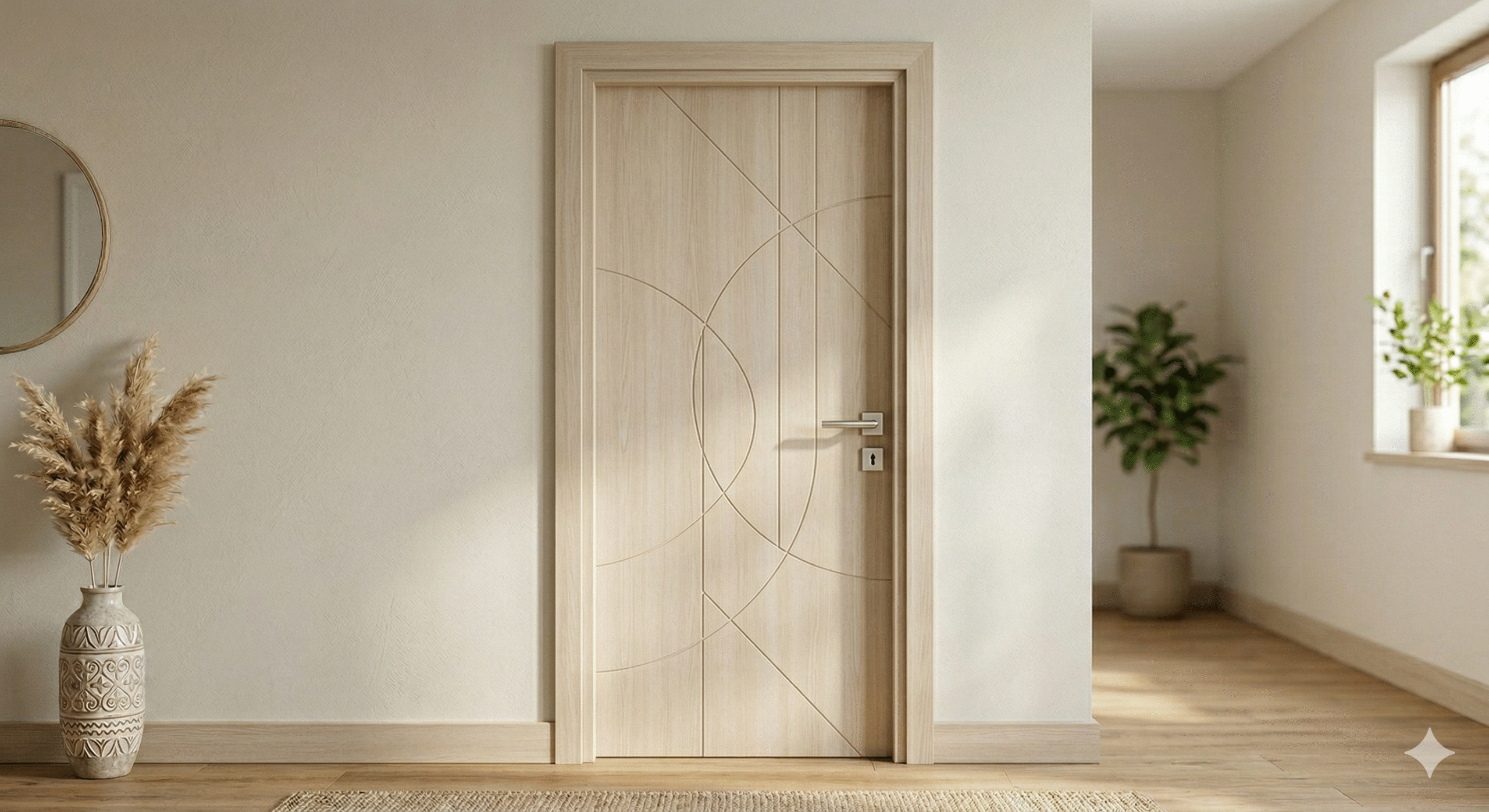

WPC doors and boards have been used extensively in modern-day interior design in areas where tough, water-resistant, and maintenance-free surfaces are desirable. But low maintenance doesn’t mean that such surfaces don’t need maintenance at all. Dirt, fingerprints, food stains, grease, water splashes, and normal household dirt can build up on doors, boards, furniture, and cabinets, especially in kitchens, washrooms, and other commonly used areas. Cleaning such surfaces using inappropriate methods or chemicals can also have an impact on the surface finish.
Maintaining a WPC door is therefore less about intensive treatment and more about using the right everyday practices. Dusting, wiping, stain removal, and careful handling are activities which would keep the surface free from dirt without putting in any additional effort. In addition to that, it is necessary to avoid using abrasives, unsuitable products, too much water and improper handling. Constant care would contribute to the preservation of both the appearance and functionality of the WPC surface.
Routine Cleaning Practices for WPC Doors and Boards
Regular dusting should form the foundation of WPC maintenance. A soft, dry microfiber cloth or soft duster can remove loose dust and particles without creating unnecessary friction against the surface. Special attention must be given to corners, edges, handles, joints, etc., where dust accumulates. Wiping with a soft cloth moistened with some water will help to clean light marks and general dirt. After that, the surface can be wiped with a dry cloth if excess moisture remains.
The same approach works for larger WPC boards used in furniture and cabinetry. The cleaning process should be done using soft movements instead of pressing too much on the surface. When simple water doesn’t do the trick, cleaning agents can be used appropriately, followed by wiping away with a damp cloth. When cleaning the WPC door, it is good to pay attention to the handles and other spots around them, as they get dirty faster due to frequent use.
Removing Dust, Dirt and Everyday Stains From WPC Surfaces
Everyday marks are easier to manage when they are addressed promptly. Fingerprints, food marks, light spills, and surface dirt can generally be wiped away with a soft, damp cloth. In cases where marks still stick around, a bit of soap solution will assist in removing the dirt before wiping with clean water. Cleaning residue should not be left on the surface, whereas any moisture left on the surface should be wiped dry with a clean cloth.
A practical routine can make regular maintenance more consistent:
- Dust WPC surfaces regularly with a soft cloth or duster.
- Wipe spills and visible marks as soon as practical.
- Use a mild cleaning solution when plain water is insufficient.
- Remove cleaning residue with a clean, damp cloth.
- Dry areas where moisture may remain around edges or fittings.
For a solid WPC door, stubborn marks should be treated gradually rather than removed through aggressive scrubbing. Using too much force or a hard sponge may damage the surface without much improvement in the outcome of the cleaning process. Gentle cleaning is more appropriate, especially if the process needs to be done multiple times.

Cleaning WPC Doors and Boards in Kitchens and Bathrooms
Kitchens require regular attention because WPC surfaces can be exposed to cooking grease, food particles, water splashes, and frequent handling. Cabinet doors and other surfaces that surround the cooking area must be wiped constantly to avoid grease buildup. Soft cloths and mild cleaners are better than abrasive cleaners or strong chemicals when it comes to maintenance. Water and cleaning solutions must also be controlled in terms of usage around edges and fittings.
Bathrooms and other humid spaces require particular attention to moisture and ventilation. Moisture that comes from splashes and condensation must be wiped dry and should not be allowed to stay on the surface for long. WPC is suitable for applications where moisture resistance is important, but this does not mean that it is completely waterproof. Hence, even a WPC door in a moist area must be regularly maintained and not come into contact with moisture for a long time.
Habits to Avoid When Cleaning WPC Materials
The wrong cleaning method can unnecessarily affect a WPC surface. Steel wool, rough scrubbers, abrasive pads, and sharp objects should not be used to remove ordinary dirt or stains. The use of strong cleaning products must not be done without first ensuring their compatibility with the specific surface. It is best to avoid using too much water, especially around corners and other parts where the moisture may stay longer than expected.
The following habits are best avoided:
- Using abrasive pads, metal scrubbers, or rough cleaning materials.
- Scraping stains with knives or other sharp objects.
- Leaving cleaning solutions on the surface for extended periods.
- Pouring excessive water directly onto doors or boards.
- Scrubbing aggressively when a stain can be removed gently.
- Allowing moisture to collect around edges, fittings, and joints.
Such steps are especially useful when dealing with often-cleaned surfaces. A WPC chaukhat must be cleaned using softer materials and proper liquids, and not by undergoing harsh treatment again and again. Regular care is more likely to help in maintaining the surface as compared to occasional intensive cleaning.
Maintaining WPC Materials During Fabrication and Everyday Use
Cleaning is only one part of maintaining WPC materials. Safe and correct handling of the material during fabrication and installation prevents scratching, impacts, edge damage, and other avoidable damage. During cutting, drilling, fixing, and other fabrication processes, boards must be handled safely using proper equipment and procedures as recommended by the manufacturer. Storage prior to installation must ensure that the product is not subjected to any impact, contamination, or rough handling.
Once installed, regular cleaning can address the dust, dirt, grease, moisture, and marks associated with everyday use. The same care should be given to a solid WPC door, particularly around edges, handles, fittings, and adjoining surfaces that experience repeated contact. Proper fabrication, careful installation, and routine cleaning together provide a straightforward approach to maintaining WPC interiors without demanding extensive upkeep.
Read Also: Why WPC Doors are ideal for bathroom and utility areas
Koemmerling’s WPC Solutions for Low-Maintenance Interiors
Koemmerling offers WPC solutions for different interior applications through KömaDoor and KömaBoard. KömaDoor is designed for door applications where a durable WPC door solution and WPC chaukhat are required for everyday interior use. Meanwhile, KömaBoard provides PVC and WPC solutions in various applications such as furniture, cabinets, and other interior elements. Thus, these solutions can be considered useful in projects where the use of WPC in various interior areas is intended.
KömaDoor provides an option for WPC door applications, while KömaBoard can be used where boards are required for furniture, cabinetry, and other interior fabrication requirements. Both solutions are suited to applications where durability, moisture resistance, and straightforward upkeep are important considerations. WPC is recyclable, although it should not be described as 100% recyclable, and appropriate fabrication, handling, and end-of-life practices remain important considerations for the material.
Conclusion
WPC surfaces will continue to be easy to maintain if they are cleaned regularly using appropriate means. Dusting, removing stains, minimal water contact, and careful handling are among the ways through which WPC surfaces may be kept from deteriorating. Abrasive cleansers and rough cleaning processes ought to be avoided in order to maintain WPC surfaces.
Koemmerling’s KömaDoor and KömaBoard provide WPC solutions across doors, furniture, cabinetry, and other interior applications where durability and low-maintenance use are important.
Frequently Asked Questions
1. How to Clean and Maintain WPC Doors and Boards?
Use a soft cloth or duster for regular dust removal and a damp cloth for everyday marks. A mild cleaning solution can be used for more persistent dirt. Do not use abrasives, harsh detergents, sharp objects, excess water, or vigorous scrubbing.
2. Do WPC doors need maintenance?
Yes, but WPC doors require relatively simple maintenance. Simple wiping and dusting can maintain cleanliness on the door’s surface. Areas that come into contact with grease, moisture, and regular use may demand more frequent cleaning.
3. Are WPC doors termite resistant?
WPC can resist termite deterioration, which makes it suitable for areas that require resistance to termite deterioration. The performance of a completed installation will depend on various factors such as the specific product used, fabrication, installation, and environment.
4. Are WPC doors suitable for humid climates?
WPC doors are suitable for applications where moisture and humidity resistance are important. However, moisture resistance does not mean the material should be treated as completely waterproof. Proper installation, ventilation, and removal of accumulated moisture remain important.
5. How should WPC boards be handled during fabrication?
WPC boards should be handled carefully to prevent scratches, impacts, and edge damage. The fabricator should ensure that appropriate tools are used according to the manufacturer’s recommendations during cutting, drilling, fixing, and other fabrication processes.